Source Textile Thickness Tester for Fabric, Carpet, and Lab Use
Find 30 verified textile thickness tester units for fabric, carpet, and laboratory applications. Buyers can compare models like M035B and MC06A with varying weights, standards, and presser foot sizes to select the right equipment for appearance quality testing and universal textile testing.
Key considerations
Products List




Comprehensive Sourcing Guide
Strategic Sourcing Guide for Textile Thickness Testing Equipment
Procuring specialized laboratory instrumentation requires a rigorous approach that balances technical precision with supply chain reliability. For buyers researching textile thickness testers, the primary objective is to identify equipment capable of delivering consistent, repeatable measurements that align with international testing protocols. The market offers a diverse array of machines, ranging from manual drape testers to fully automated universal testing systems. This guide synthesizes available product data and industry standards to provide a structured framework for evaluating potential suppliers and selecting the appropriate instrumentation for quality assurance workflows.
Technical Specifications and Operational Parameters
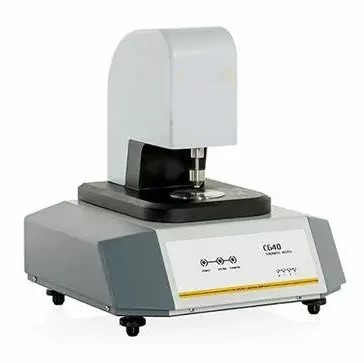
When evaluating a textile thickness tester, the first step is to scrutinize the core technical specifications that define the machine's capability. The operational range is a critical factor; observed data indicates that specific models offer a thickness measurement range of 0.001mm to 25mm. This wide span suggests suitability for various fabric types, from delicate synthetics to heavy-duty carpets. The measuring resolution is equally vital, with certain units providing a precision of 0.001mm, which is essential for detecting minute variations in material density.
The loading mechanism determines how the fabric is compressed during testing. Some equipment utilizes a dynamic load method, which can simulate real-world stress conditions more accurately than static loads. The presser foot diameter is another specification that must align with the specific standard being tested. Available configurations include diameters of 11.28mm, 50.48mm, and 56.42mm. Correspondingly, the presser foot area varies significantly, with options listed as 100mm², 2000mm², 2500mm², and 10000mm². Buyers must verify that the selected foot area matches the requirements of the specific textile standard they intend to follow.
The power source and physical dimensions are practical considerations for laboratory setup. Most units operate on an AC220V power source, which is standard for many industrial environments. Physical dimensions vary by model; for instance, one configuration measures 210x450x400mm, while others may be as compact as 290x270x475mm or larger at 380x390x430mm. Weight is also a distinguishing factor, with observed units ranging from 10kg to 35kg, and some heavy-duty models supporting loads up to 100kg. The display interface is typically digital, ensuring clear readouts of thickness values and test parameters.
Compliance and Certification Verification
In the realm of textile testing, compliance with international standards is non-negotiable. The equipment must be capable of adhering to recognized protocols to ensure that test results are valid for commercial and regulatory purposes. Several standards are associated with the available machinery. The ASTM D1777 standard is frequently cited, particularly for fabric drape testing. Other relevant standards include ISO 1765, ISO 03415, BS 4098, and ISO 17025.
Buyers must distinguish between the standards the machine is designed to test and the certifications the manufacturer holds. The product data indicates that specific units carry CE certification, signifying compliance with European health, safety, and environmental protection standards. Additionally, ISO 17025 certification is noted, which relates to the competence of testing and calibration laboratories. It is important to verify if the machine itself is certified or if the manufacturer's laboratory holds this accreditation. Some listings also mention ISO 9001, which pertains to quality management systems rather than the testing standard itself.
When evaluating a supplier, request documentation that explicitly links the machine's configuration to the specific standard (e.g., ISO 1765) it is intended to test. Do not assume that a machine capable of measuring thickness automatically complies with a specific standard unless the manufacturer provides evidence of calibration and validation against that standard. The presence of a CE mark is a baseline requirement for many markets, but it does not guarantee that the machine meets the specific technical tolerances of ASTM or ISO protocols without further verification.
Cost Drivers and Pricing Structure
Understanding the cost structure of textile thickness testers is essential for budgeting and total cost of ownership analysis. The observed price range for these units spans from 100 USD to 10,000 USD. This significant variance reflects differences in automation levels, measurement precision, brand reputation, and included accessories. Lower-priced units may be manual or semi-automatic, suitable for basic quality checks, while higher-end models likely feature automatic grading, digital data logging, and advanced software integration.
The Minimum Order Quantity (MOQ) for these industrial machines is typically 1 unit, allowing for single-unit procurement without the need for bulk purchasing agreements. However, buyers should be aware that the price is not solely determined by the machine's hardware. Shipping costs, which can be substantial due to the weight of the equipment (ranging from 10kg to 35kg), and the type of packaging required (standard export wooden cases or plywood cases) will impact the final landed cost.
Customization is a key factor influencing price. Many suppliers offer customization options, which can increase the cost but ensure the machine meets specific laboratory workflows. For example, a buyer might require a specific presser foot configuration or a custom software interface. When negotiating, clarify whether the quoted price includes the standard accessories, such as the specific presser feet and calibration weights, or if these are sold separately. The condition of the equipment is listed as "New," which implies a full warranty and support package, but buyers should confirm the warranty terms and the availability of spare parts.
Typical Applications and Usage Scenarios
Textile thickness testers serve a variety of applications across the manufacturing and quality control sectors. The primary usage involves appearance quality testing and textile fabric testing, where the thickness of the material is a critical indicator of quality and performance. These machines are also employed for carpet thickness testing, ensuring that carpet products meet industry specifications for pile height and density.
The versatility of these units allows them to be used in universal textile testing scenarios. For instance, some models function as fabric strength testing machines, capable of measuring both thickness and tensile strength. This dual functionality can be cost-effective for laboratories that need to perform multiple types of tests on a single platform. The extension measurement range of 0.5cm to 20.5cm and test accuracy of 0.01cm further expand the utility of these machines for various fabric types.
In a production environment, these testers are used for incoming raw material inspection, in-process quality control, and final product verification. The ability to test different fabric grades, from semi-automatic to fully automatic operations, ensures that the equipment can adapt to high-volume production lines as well as low-volume, high-precision research settings. The specific usage of "Textile Fabric Testing" and "Universal Textile Testing" highlights the broad applicability of these machines in ensuring that fabrics meet the required physical properties for their intended end-use.
Supplier Evaluation and Product Selection
Selecting the right supplier requires a careful review of the product attributes and the supplier's ability to support the buyer's needs. The product data indicates that the origin of these machines is China, which is a major hub for textile testing equipment manufacturing. Buyers should evaluate suppliers based on their ability to provide detailed technical documentation, including user manuals, calibration certificates, and compliance statements.
When comparing different models, such as the M035B, MC06A, MC06B, XHF-11A, and XHL-02T, buyers should create a comparison matrix based on the specific needs of their laboratory. Key comparison points include the standard compliance (e.g., ASTM D1777 vs. ISO 1765), the weight of the unit, the dimensions, and the specific test ranges. For example, if a laboratory needs to test carpets, the MC06A or MC06B models with their specific dimensions and standards might be more suitable than the M035B, which is focused on fabric drape.
The packing method is also a consideration for logistics. Most units are shipped in standard export wooden cases or plywood cases, which provide robust protection during transit. Buyers should verify that the packaging is sufficient to prevent damage during shipping, especially for delicate components like the presser feet and digital displays. Additionally, the availability of customization should be assessed; if a buyer requires a specific configuration, the supplier must demonstrate the capability to deliver it without compromising the machine's integrity or certification status.
Quality Control and Long-Term Procurement Considerations
Ensuring the long-term reliability of a textile thickness tester involves establishing a robust quality control protocol. The test accuracy of 0.01cm and measuring resolution of 0.001mm are specifications that must be maintained over time. This requires regular calibration and maintenance. Buyers should inquire about the supplier's calibration services and the availability of certified calibration weights and reference standards.
The press time, which can be set to 10s or 30s, is another parameter that affects the consistency of results. Operators must be trained to adhere to these settings strictly to ensure data integrity. The loading method, whether dynamic or static, should be verified against the specific test standard to ensure that the machine applies the correct force profile.
For long-term procurement, consider the lifecycle of the equipment. The "New" condition of the listed products suggests a full warranty, but buyers should clarify the duration and scope of this warranty. The availability of spare parts, such as presser feet and display modules, is crucial for minimizing downtime. Furthermore, the supplier's support for software updates and technical assistance should be evaluated. A supplier that offers comprehensive training and ongoing technical support will add significant value to the procurement, ensuring that the laboratory can maximize the utility of the investment.
Comparative Analysis of Key Models
To facilitate decision-making, the following table summarizes the key attributes of the observed models based on the provided data. This comparison highlights the differences in standards, dimensions, and weights to assist buyers in selecting the most appropriate unit for their specific needs.
| Model | Primary Standard(s) | Dimensions (mm) | Weight | Key Feature |
|---|---|---|---|---|
| M035B | ASTM D1777 | 410 x 160 x 395 | 35kg | Fabric Drape Tester |
| MC06A | ISO 1765, BS 4098 | 290 x 270 x 475 | 10kg | Carpet Thickness Tester |
| MC06B | ISO 1765, BS 4098 | 380 x 390 x 430 | 20kg | Carpet Thickness Tester |
| XHF-11A | CE, ISO9001 | 210 x 450 x 400 | N/A | Digital Display, Plywood Case |
| XHL-02T | 100N-5000N Range | N/A | N/A | Universal Textile Testing |
| XHF-42AII | N/A | N/A | N/A | High Accuracy Testing |
Note: "N/A" indicates that specific data for that attribute was not explicitly provided in the source context for that specific model. Buyers should request this information directly from the supplier.
In conclusion, sourcing a textile thickness tester requires a meticulous evaluation of technical specifications, compliance standards, and supplier capabilities. By focusing on the specific needs of the laboratory and verifying the alignment of the equipment with international standards, buyers can make informed decisions that ensure the accuracy and reliability of their textile testing operations. The diversity of available models allows for tailored solutions, but the responsibility lies with the buyer to validate the claims and ensure the equipment meets the rigorous demands of modern textile quality control.
FAQs
What standards does the textile thickness tester support?
The machine supports ASTM D1777, ISO 1765, ISO 03415, and BS 4098 standards. These protocols ensure valid results for fabric drape and carpet thickness testing in various international markets.
Can the device measure thickness with high precision?
Yes, the measuring resolution reaches 0.001mm for detecting minute material variations. This precision is essential for quality control in both delicate synthetics and heavy-duty carpet applications.
Which certifications are available for these testing machines?
Available certifications include CE and ISO 17025 for laboratory competence. Some models also carry ISO 9001 certification, indicating adherence to quality management systems for the manufacturing process.
How is the equipment packaged for safe export?
Units are shipped in standard export wooden cases or plywood cases. This robust packaging protects the digital display and presser feet during transit from the origin in China.
What is the minimum order quantity for these machines?
The minimum order quantity is one unit for most models. This allows buyers to procure single units without needing bulk purchasing agreements for laboratory setup.
Which presser foot areas are compatible with the tester?
Compatible presser foot areas include 100mm², 2000mm², 2500mm², and 10000mm². Buyers must select the area that matches the specific textile standard they intend to follow.
Can the machine operate with dynamic loading methods?
Yes, the device supports dynamic load methods to simulate real-world stress conditions. This feature provides more accurate compression data compared to static load testing for specific fabric types.